
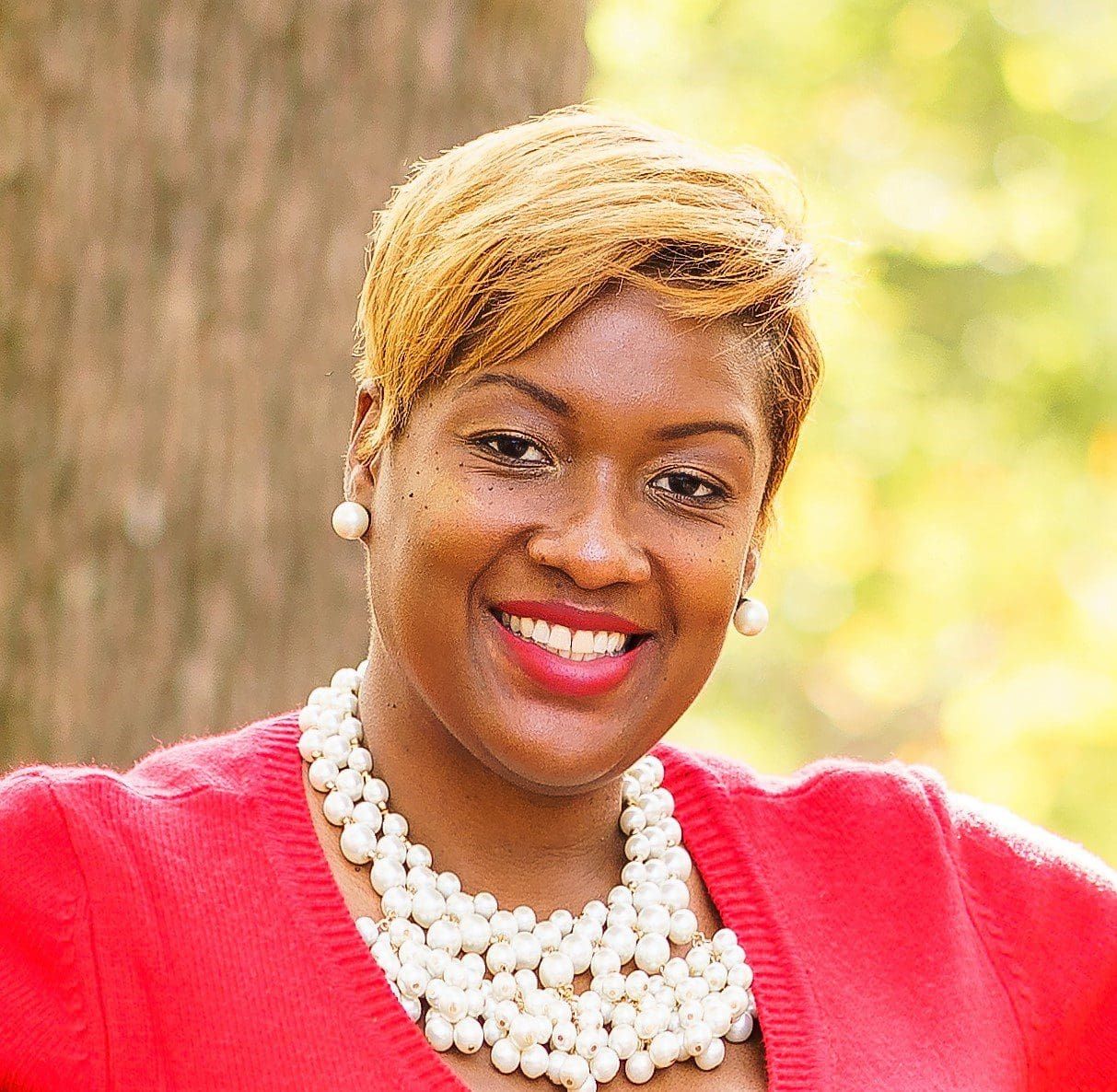

Know Your Value: Lessons from Dr. Cardra Burns in Honor of Black History Month
This year marks the 100th anniversary of Black History Month. A century of reflection, recognition, progress, and perseverance. It is also a moment to be honest about leadership, responsibility, and the work that still lies ahead.
Some of what follows may challenge familiar narratives. That matters. Black history is not only a record of milestones achieved, but also of systems navigated, barriers confronted, and leadership sustained, often quietly, over time.
Over the years, students and colleagues I have mentored often ask about my “secret sauce.” They are usually looking for a formula, a credential, or a defining moment that explains my success in public leadership. My answer is rarely what they expect:
My success has not come from a single opportunity or title. It has come from clarity about who I am, how I lead, and what I am not willing to compromise.
As a Black woman leading in public and academic spaces, I learned early that leadership often comes with heightened scrutiny and shifting expectations. The standards are not always written down, but they are felt in how feedback is given, how mistakes are judged, and how credibility is tested. Over time, those dynamics shape how leaders show up and how much energy is spent proving capability rather than focusing on impact.
During the COVID-19 pandemic, this reality was named publicly when an article in The Washington Post explored why many Black women found solace in remote work. It was not about working less. It was about relief, relief from daily friction, constant self-monitoring, and the invisible labor that often comes with in-person professional spaces. For many, it affirmed experiences that had long been understood but rarely acknowledged out loud.
Over time, experiences like these can contribute to imposter syndrome, not because my competence was lacking, but because the benchmarks for belonging are inconsistent. That reality forces an important choice: To shrink, or to stay grounded.
My “secret sauce” has been choosing to stay grounded.
I lead with preparation, consistency, and composure, delivering results while staying rooted in purpose. That balance has allowed me to navigate complex leadership spaces with integrity and impact, without losing myself along the way.
For Black professionals entering public administration and higher education, my advice is simple and hard-earned. Know your value before someone else tries to define it for you. Be prepared, but do not contort yourself to fit systems that were never designed with you in mind. Seek mentors who can support your growth, and sponsors who will advocate for you when you are not in the room. Both matter.
That guidance is not theoretical. It reflects how I have led for many years. I have been intentional about opening doors, mentoring emerging leaders, sponsoring talent, and creating space for others to lead authentically. I remain committed to building environments where leadership is measured by impact, integrity, and service, rather than proximity or conformity.
As we reflect on a century of Black History Month, I hold both pride and urgency. Pride in the progress that has been made, and urgency because the work of equity, access, and inclusion is ongoing. Leadership in public spaces must continue to evolve so that the systems we steward truly reflect and serve the communities they are meant to support.
Related Articles
Ready to Wake to Your
Next Chapter?
Your goals are within reach—and we’re here to help you get there.