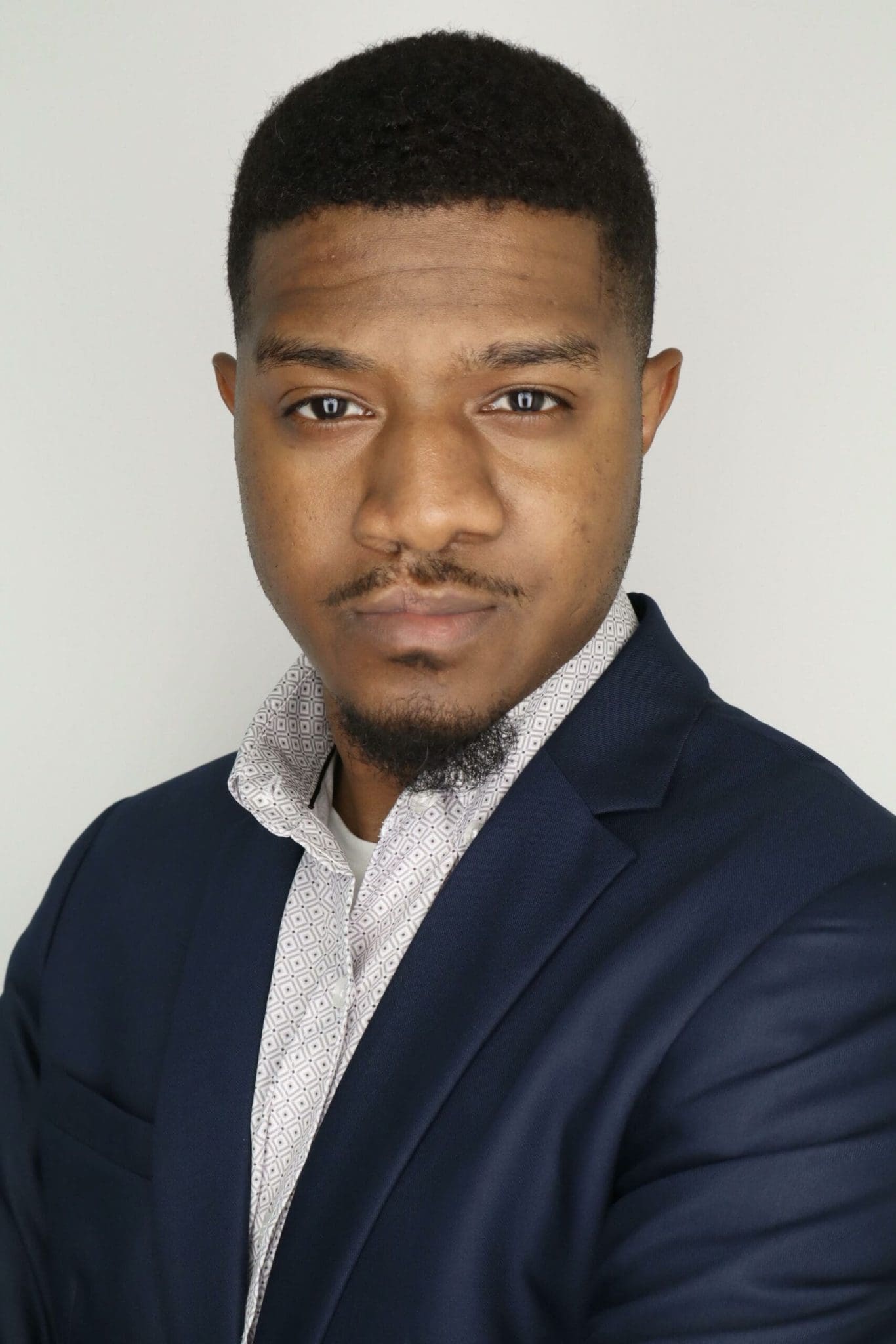
Author: Devon Townsend, M.A., recent Wake Forest SPS graduate
In many graduate degree programs, the capstone project is the final milestone before graduation. It brings together everything you’ve learned and asks you to apply it in one comprehensive assignment that tests your memory, your skills, and your understanding of the material you’ve studied throughout your program.
For me, that final milestone took place in the Wake Forest School of Professional Studies (SPS), where I pursued a master’s in communications. The field demands a blend of relationship-building, strategic leadership, and critical thinking, among many other skills. As the capstone course approached, I felt a mix of uncertainty about what to expect, a bit of anxiety about whether I was fully prepared, and genuine excitement knowing I was one step closer to closing this chapter of my life.
Before the capstone class began, I reached out to former students who had already completed the capstone to get the inside scoop as to what I should expect. They told me that for their capstone, they audited a bank and developed a communication strategy designed to attract potential consumers. To be honest, I wasn’t exactly thrilled. A banking-focused project felt practical and very real-world—which I appreciated—but as a communications student who likes innovative projects, it didn’t spark much excitement or curiosity.
Imagine my surprise when the class began, and I learned that our capstone would focus on a 55-and-up residential community that offered kayaking, hiking, and other outdoor activities for active adults. Since it centered on an age group very different from my own, the assignment required me to step into the mindset of people who have spent decades balancing careers, families, and everyday responsibilities, and who are now in a stage of life where their personal well-being and fulfillment take center stage.
This was exactly the kind of challenge I’d been hoping for—something unconventional and thought-provoking, but also grounded in purposeful strategy and capable of sparking real personal engagement. From the very beginning, I knew I’d need to lean on everything I’d learned about brand messaging, digital communication strategies, and analyzing a company and its competitors to shape a strong, comprehensive communications plan.
As I worked through the project, I developed initiatives that could easily translate into real-world strategies—ideas that I know will help set me apart from colleagues once I enter the workforce. What I gained from this assignment genuinely strengthened my professional confidence, opening the door for me to deepen my skills in areas like media relations as well as content and channel strategy for organizations.
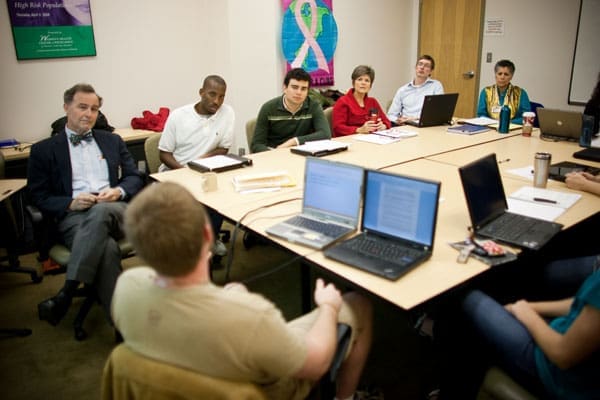
What began as individual assignments progressed into a group project where we would have to combine our research to form an overall presentation to present to our professor and program advisory board members. I consider myself to be a team player, but was encouraged by my classmate to take on the responsibility as team leader in making sure we met deadlines, delegated tasks to each group member, kept everyone on task, and checked in on the team if help was needed.
Being the leader of a project of this magnitude was one of the most stressful yet rewarding experiences of my life. Group projects can be based on the luck of the draw– sometimes you can get partners who aren’t quite where you need them to be when it comes to work ethic and other times you can have partners that meet or excel past your expectations.
The group I worked with contained both sets of the draw which turned out to be the real challenge because I was faced with the realities of providing additional work, spending long hours garnering additional research and editing more than my share of PowerPoint pages.
But, I think that’s one of the reasons why this capstone project was beneficial to me – I learned that though this is a major project for a school assignment, it’s also real life, it’s those fine elements in professional settings where one encounters issues with a co-workers work ethic or preparing for a big presentation in front of colleagues in a short amount of time. Those types of challenges test your experience, capability, and drive and can determine how a person comes out at the end of it all.
Fast forward to 3 weeks later—
We aced the project. We prevailed through our uncertainties, doubts, and frustrations to come out at the end of this journey – grateful.
It’s funny how sometimes stressful situations can make a person better in the end. Speaking for myself, when I’m in the midst of presenting, there’s this wreck of emotions and thoughts clouding my judgement and questioning my own abilities but there’s also a thought of “now or never” and from there my body is in autopilot pushing to get to the end.
After everything, I can proudly say the experience made me stronger. It wasn’t just about earning a degree I once never imagined myself pursuing; it was about proving to myself that even when my back is against the wall, I can rise to the challenge. I learned that I’m capable of producing exceptional work—both as part of a team and on my own.
My time at Wake Forest University has elevated me to become the best version of myself, personally and professionally, and I’ll always be grateful for that growth.