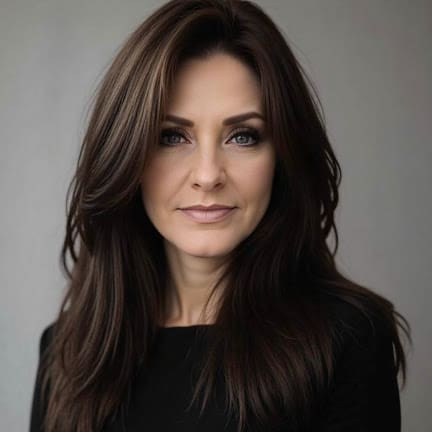





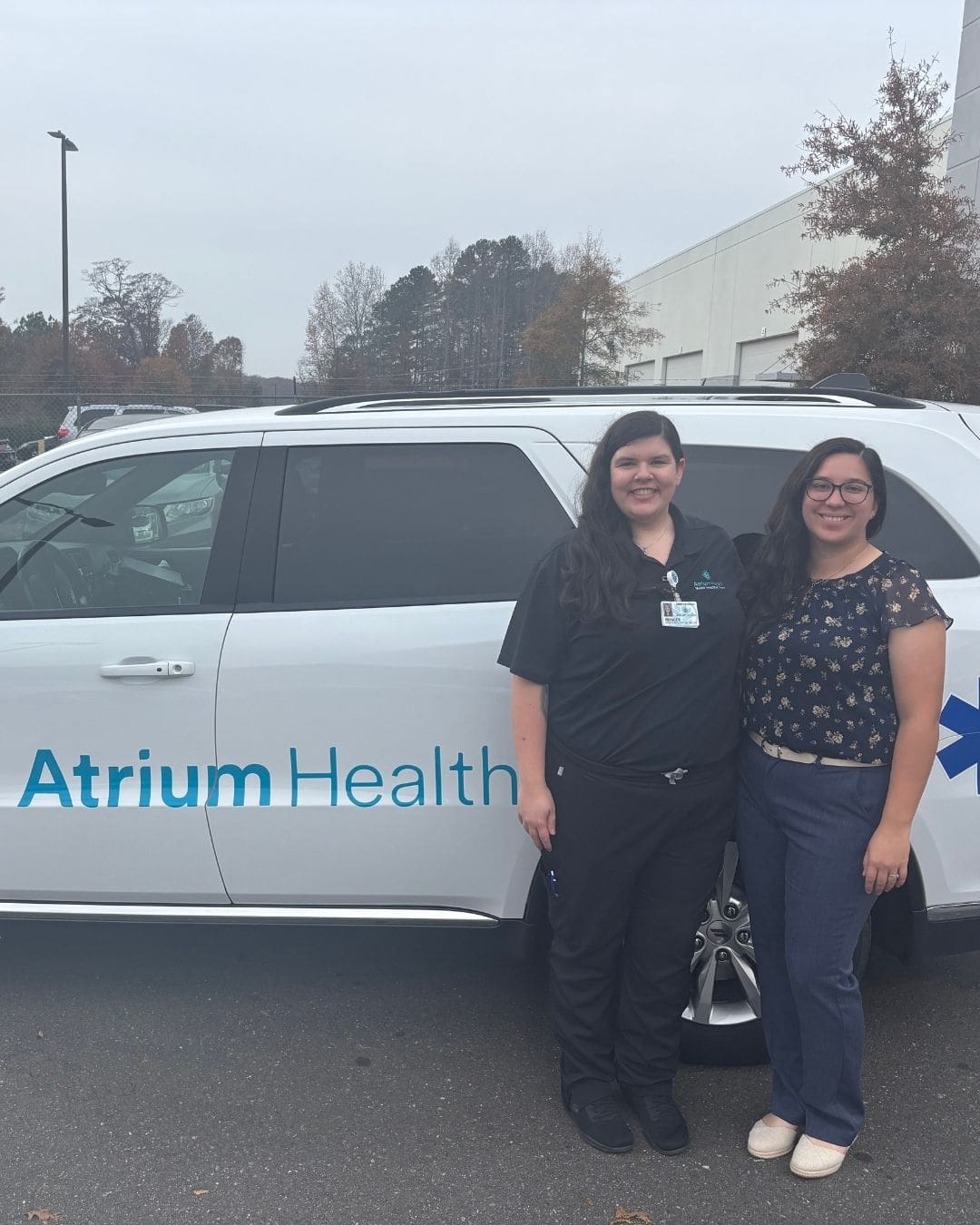
As a medical student in Mexico, Salime Stringer learned to care for patients in rural communities by focusing on what mattered most: the person in front of her.
There were no CT scanners or X-ray machines on site, and referrals often meant traveling long distances and long waits. But she remained focused on her patient while listening closely and making decisions with limited resources.
That experience still impacts how Salime sees healthcare today.
“One of the most important parts of this work is understanding what the patient thinks, what their concerns are, and how we can improve,” she said.
Training in environments with limited resources showed her that patient outcomes are shaped not only by clinical expertise, but by systems, access, leadership, and the decisions made far beyond the exam room.
Now a student in the Master in Health Administration program at Wake Forest University School of Professional Studies (SPS), Salime is building the skills to bridge clinical care and administration, so the patient experience is always at the center.
A Love for Healthcare

Salime’s interest in healthcare started at home. Her mother was a nurse and her father attended veterinary school. From an early age, medicine was part of everyday life and shaped how she saw care as a responsibility.
By high school, she was already pursuing observerships and externships, drawn to the human side of healthcare. That early exposure led her to medical school in Mexico and into family medicine, where she spent several years working directly with patients. But as her clinical experience grew, so did her awareness of how much of patient care is shaped by leaders.
“I wanted to understand what was happening behind the scenes,” Salime said. “In the clinical world, we don’t really learn much about the administrative side.”
Following her desire to connect clinical care with operational decision-making, she began the Master in Health Administration program in January 2025 while working toward U.S. medical licensure.
Her first course, a healthcare leadership class taught by Kellie Griggs, DNP, MSN-Ed, RNC-OB, set the tone. Rather than diving immediately into administrative mechanics, the class focused on strategic leadership and gave Salime a framework for being a healthcare leader.
“We’re dealing with sensitive information: patients, employees, families,” she said. “Being empathetic, actively listening, and staying open-minded are essential.”
Gaining Hands-On Experience
As Salime moved through the Health Administration program, she looked for ways to apply what she was learning about leadership, systems, and patient experience to her day-to-day work.
That search led her to an immersive capstone opportunity with the Hospital at Home program at Advocate Health, where patients receive care in their own homes versus traditional hospital settings.
Hospital at Home was created in response to real pressures health systems face, like limited bed capacity.
“Patient environments play a huge role in recovery,” she said. “Being in a comfortable space can actually improve health outcomes.”
Wanting to understand how the program worked in practice, Salime joined a ride-along with a Hospital at Home paramedic. Moving from home to home, she watched the care shift based on each patient’s needs. Some were largely independent, managing parts of their own care with paramedics there to double-check timing or troubleshoot devices. Others relied heavily on caregivers, while on feeding tubes or confined to the bed.
Seeing that range up close helped Salime better understand how leadership decisions affect patients’ everyday care even outside the hospital.
Expanding Digital Literacy
As part of her capstone, Salime is working alongside a classmate from the Master of Health Informatics program to tackle a big challenge for patients: digital literacy. The goal of the capstone is to find better ways to assess digital readiness and support patients as they navigate virtual care.
“So much of the virtual care happens through the iPad and patients are using connected tools like blood pressure cuffs and pulse oximeters,” Salime said. “For a lot of older adults, that can feel unfamiliar or intimidating, so I didn’t want to guess where the gaps were. I wanted to actually understand the problems and see the workflow firsthand.”
Leading With a Patient-First Perspective
Once licensed in the U.S., Salime plans to return to clinical practice—but with a broader vision.
“I want to use my health administration knowledge to move into leadership as a clinician,” she said. “Just talking to patients is an aspect that sometimes gets overlooked and we should be asking for their thoughts, concerns, opinions, or ideas that we can implement to improve our care.”
By bridging clinical expertise with her Wake Forest SPS curriculum, Salime represents the kind of leader modern healthcare increasingly needs: one who understands systems, values empathy, and listens closely to the people at the center of care.
Learn more about the Master of Health Administration program and request more information today.